

The Moment That Changed Everything
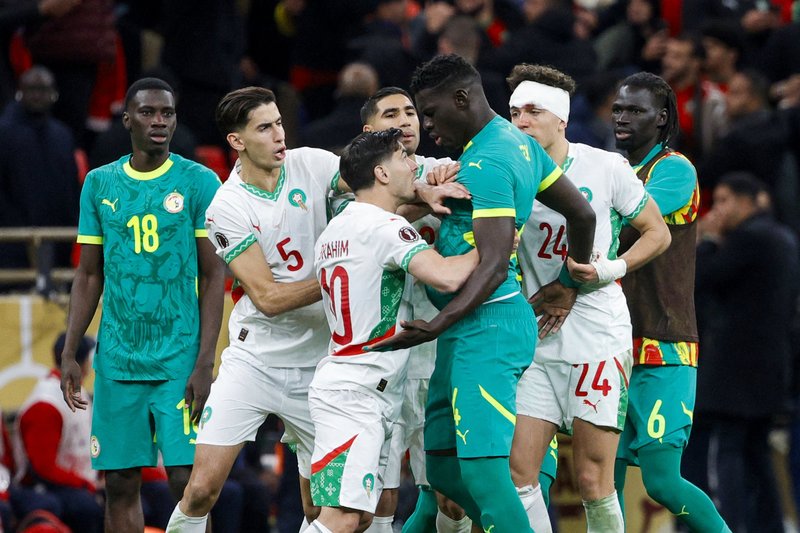
Late in the final, with tensions already boiling, Morocco were awarded a controversial penalty after a VAR review. In protest, Senegal’s players walked off the pitch an emotional reaction to what they believed was an unjust decision.
They returned. The penalty was missed. Senegal regrouped and went on to win the match in extra time.
On the pitch, they were champions.
But in the boardroom, CAF saw something else.
By leaving the field even temporarily Senegal breached Articles 82 and 84 of AFCON regulations, which state that a team that refuses to play or leaves without permission forfeits the match.
CAF enforced the rule to the letter. Morocco were awarded a 3-0 win.
Case closed?
Not quite.
Law vs. Spirit of the Game
Here’s where this becomes more than just a disciplinary issue it becomes a philosophical one.
Yes, Senegal broke the rules. That part is clear. CAF didn’t invent the law after the fact; it existed, and it was applied.
But football has never been just about rulesit’s about context, emotion, and fairness.
Senegal didn’t abandon the match. They returned. They completed the game. They won it. The referee allowed play to continue, implicitly restoring the contest.
So the real question is:
Should a temporary protest outweigh 120 minutes of football?
CAF says yes.
Many in African football are not convinced.
A Dangerous Precedent
This decision doesn’t just rewrite one result it reshapes the future of African football governance.
By enforcing a retrospective forfeit after a completed match, CAF has set a precedent where:
Matches can be decided long after the final whistle
Technicalities can override sporting outcomes
Appeals may become as important as performances
That’s a slippery slope.
Because if football can be won in courtrooms, then what exactly are players fighting for on the pitch?
Morocco: Worthy Champions, Uncomfortable Winners
None of this is Morocco’s fault.
Their federation followed the rules, filed an appeal, and won within the framework provided.
And let’s not forget Morocco had a strong tournament. They were hosts, contenders, and a team capable of winning it outright.
But this title will always carry an asterisk in the eyes of many.
Not because Morocco didn’t deserve success but because this version of success didn’t come in the way football fans understand or accept.
Senegal: Victims of Emotion or Their Own Undoing?
There’s also no escaping accountability on Senegal’s side.
Walking off the pitch, regardless of the provocation, was a gamble and ultimately, a costly one.
Elite teams are expected to channel frustration, not let it derail them.
In that sense, CAF’s decision sends a clear message:
Discipline is non-negotiable.
But even then, the punishment feels disproportionate to the crime especially given that the match resumed and concluded.
The Bigger Problem: Trust in African Football

Beyond Morocco and Senegal, the real casualty here might be trust.
CAF had initially upheld Senegal’s victory before reversing the decision on appeal.
That inconsistency fuels suspicion. It opens the door to questions about transparency, governance, and influence questions African football has been trying to shake off for years.
And in a continent preparing to co-host the 2030 FIFA World Cup, credibility matters more than ever.
Final Whistle
This wasn’t just a football decision it was a statement.
CAF chose rules over context. Procedure over performance. Law over legacy.
They may be legally correct.
But football isn’t judged in legal terms it’s judged in moments, emotions, and what happens between the white lines.
And in that arena, Senegal were champions.
CAF may have rewritten the result.
But they haven’t settled the debate.